Arborist Reports Canberra
- Level 8 & 5 arborists
- 2–3 day turnaround
- QTRA certified
Report details
Tell us about your site and reporting requirements.
Prefer to talk? Call 1800 873 343
Level 8 & Level 5
Qualified arborists
Arborist Reports & Development Assessments
TreeWorks’ consulting arborists provide the tree assessment and reporting services that development approvals, building projects, and ongoing tree management depend on — from single-tree risk assessments to full arboricultural impact reports for development applications.
Our reports are prepared by certified arborists and are accepted by the ACT Government, National Capital Authority, and local councils across the region.
When do you need an Arborist Report?
Removing or heavily pruning a protected tree
Your tree is dead, dropping limbs, damaging a structure, or in the way of renovation plans, and it is big enough to require a tree removal or heavy pruning approval. Trees in the ACT on private land are protected if they are 8 metres or taller, have a canopy of 8m or more, or a trunk circumference of 1m or more at 1.4m above ground. Every tree on public land in the ACT is protected. In NSW, individual councils set their own thresholds in their development control plans. The authority usually wants an arborist's evidence before it will approve removal.
Lodging a development, building or driveway application
In the ACT it is compulsory to lodge a Tree Management Plan with every development application, and any building and driveway application that could impact a protected tree. This includes trees on the neighbour’s block or the verge. In NSW, the council will request an arborist report or Arboriculture Impact Assessment where a DA impacts trees.
Building, extending, trenching or landscaping near a tree
If you are installing a driveway or doing renovations, extensions, building a pool or retaining wall inside a tree’s root zone you are required to comply with protection measures outlined in AS 4970:2025 and may require an arborist on site during construction. At the completion of work a compliance report is usually required to satisfy the approval conditions or to have an ACT tree bond refunded.
Worried a tree is unsafe
For peace of mind homeowners, strata managers, schools, businesses and property managers want an independent risk assessment after storm damage, a limb failure, visible decay or a change in how the area is used, so they can make a defensible decision and meet their duty of care.
Being asked by an authority for more information
You have received a request by the ACT Government, a council or the National Capital Authority for further documentation, refused an application, or set conditions that need an arborist to respond (for example a request for information, a reconsideration of a refused tree application, or evidence for tree bond release).
Neighbour disputes, insurance claims and property purchases
A neighbour's tree is damaging your property or threatening to; or a neighbour is complaining your tree is threatening their property and wants it removed. An insurer or lawyer needs an independent opinion on a tree failure; or a home buyer wants to better understand the health of trees, constraints and risks before purchasing a property or planning a build.
Our Consulting Arborists
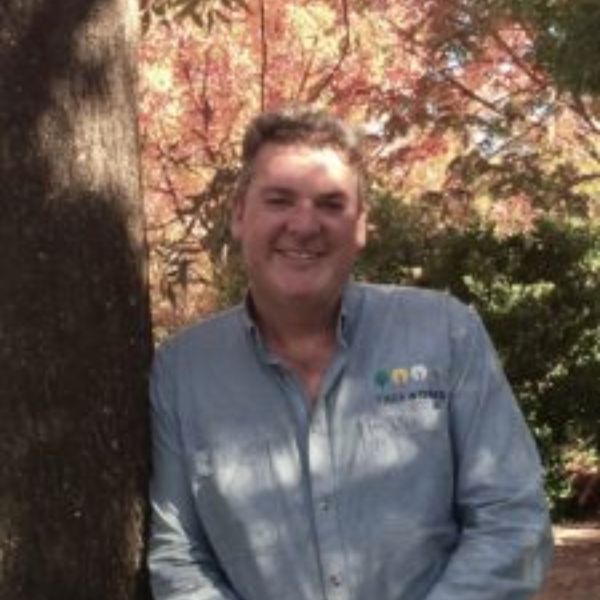
Steve Griffith
Level 5 Arborist
Diploma of Arboriculture
Steve has 25 years’ experience and was one of Canberra’s leading climbing arborists. For the past 20 years he has been assessing and caring for trees across the ACT and surrounding region, and is a registered Quantified Tree Risk Assessment (QTRA) system user.
Steve leads TreeWorks’ tree health, risk, and diagnostic work — including aerial and invasive inspections, decay testing, and disease diagnosis.
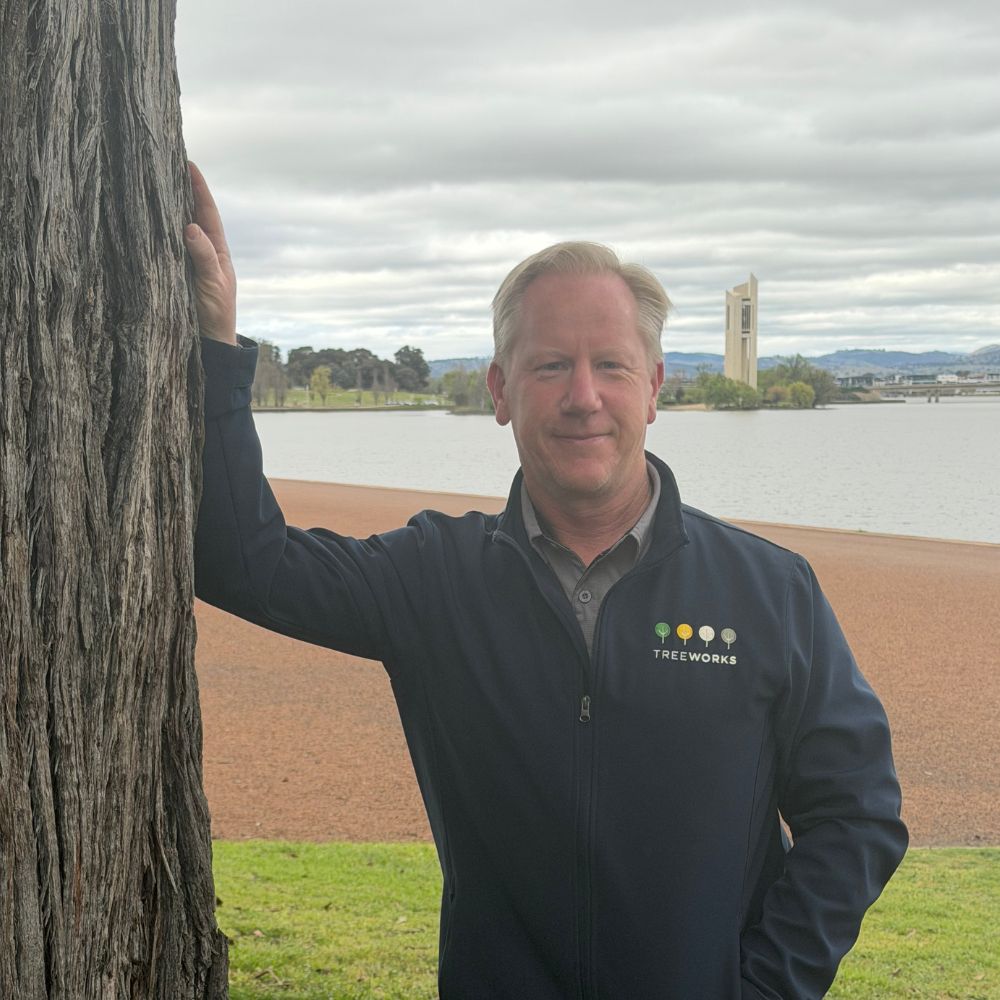
Brendan Murphy
Level 8 Arborist
Graduate Certificate in Arboriculture, University of Melbourne
Brendan joined TreeWorks bringing 35 years’ experience in horticulture and 16 years as a qualified arborist, including senior project management roles overseeing heritage and urban tree assets. He holds QTRA and Master Arborist certifications, and is qualified to assess and report on development sites in line with ACT Government regulations.
Brendan leads TreeWorks’ development-related reporting — arborist reports for DA approval, tree protection planning, and construction-phase supervision — with most reports delivered within 2–3 business days of the site visit.
Types of Arborist Reports
Arborist reports for development applications (Tree Management Plans)
ACT: Relevant to anyone lodging a development, building or driveway application where protected trees are on or near the site. In the ACT this is the Tree Management Plan the Government requires with every DA;
NSW: Councils require an arborist report for anyone submitting a development application where a tree(s) is impacted. This includes tree identification and condition, protection status, tree protection zones, which trees can be retained, and the protection measures and conditions the approval will rely on.
Preliminary tree reports
Arboricultural Impact Assessment (AIA) reports
Tree risk assessments (TRAQ & QTRA certified)
Tree protection and construction-phase supervision (including compliance reports)
Tree reports for removal and pruning applications
All Services
Tree Assessment & Reporting
- Tree risk assessments (TRAQ & QTRA certified)
- Arborist reports for development applications and approvals
- Preliminary tree reports
- Arboricultural Impact Assessment Reports
- Arboricultural Compliance Reports
- Heritage tree assessment and management
- Tree and vegetation management reports for development applications
Construction & Development Support
- Tree protection planning and construction-phase supervision
- On-site superintendence of works impacting the Tree Protection Zone
- Contract management and coordination of tree works
- Landscape plan review and permit assessment
- Liaison with regulatory authorities (National Capital Authority, ACT Government)
Diagnostics & Ongoing Vegetation Management
- Visual, aerial, and invasive inspections (including resistograph drill)
- Decay testing: ultrasound / resistograph / tomograph
- Disease and pest diagnosis and management advice
- Soil analysis and tree identification
- Bushfire and powerline vegetation management
- Urban forest and vegetation master planning
- Tree inventory and GIS mapping (ArcGIS / Survey123)
- School risk assessments
- Tree maintenance schedule.
Relevant authorities and approvals
The authority involved depends on your property’s location and the work proposed. TreeWorks can advise which requirements apply and prepare the supporting reports.
ACT authorities
ACT Government – Tree protection (City and Environment Directorate)
Administers the Urban Forest Act 2023, tree activity applications, Tree Management Plans, tree bonds and canopy contributions.
- Tree protection laws (what is a protected tree)
- Tree activity applications
- Tree management plans and tree bonds
- Trees and development
- ACT Tree Register (map data)
ACT Planning – development applications
Trees and landscaping in development assessment
National Capital Authority
Works approval is needed for works, including landscaping and tree works, in Designated Areas, such as the Parliamentary Zone, lake foreshores, main avenues and approach routes.
NSW councils
- Queanbeyan-Palerang Regional Council (QPRC): Trees on private land
- Yass Valley Council: Tree removal
- Goulburn Mulwaree Council: Tree and vegetation management
Other NSW authorities
NSW Local Land Services
Native vegetation clearing on rural-zoned land (RU1–RU4) in all three NSW council areas.
Visit NSW Local Land Services
NSW Rural Fire Service
10/50 and boundary clearing rules in bush fire prone areas.
NSW Land and Environment Court
Tree disputes between neighbours under the Trees (Disputes Between Neighbours) Act 2006.
Servicing Canberra and the Southern Tablelands
TreeWorks provides arborist reports and development assessments for government, commercial and domestic clients across the region.
- Canberra
- Queanbeyan
- Bungendore
- Braidwood
- Yass
- Goulburn
- Southern Tablelands
Trusted by leading organisations
Government departments, developers, builders, architects and property managers rely on TreeWorks.
- ACT Dept of Education
- National Capital Authority
- ACT Dept of Housing
- Defence Housing Australia
- Geocon
- Construction Control
- Lend Lease
- ChinCivil
- SMI Group
- Rapid Constructions
- Amalgamated Property Group
- Multiple other leading Canberra residential builders and architects
TreeWorks has been the sole provider of safety audits to more than 160 ACT Government schools for the past three years, with eight years of work for the ACT Department of Education overall.
Frequently Asked Questions
What is Quantified Tree Risk Assessment (QTRA)?
Do I need approval to remove or prune a tree on my property?
How do I know if my tree is protected?
The tree is on my neighbour's block. Do I still need a report?
Can I remove or prune a tree on the nature strip?
What is included in an arborist report?
What qualifications should the arborist have?
How long does a report take?
How much does a tree report cost?
Does a report guarantee my application will be approved?
What happens if my application is refused?
What if a protected tree is removed or damaged without approval?
Do I need approval on rural land?
What information does TreeWorks need to get started?
Request an arborist report
Contact our consulting arborists to discuss your site, reporting requirements and project timeframe.